Please Talk To Me About the Library, I’m Begging

Header image of the New Books display on 12/9/25 featuring titles Between Two Rivers, Dirty Kitchen, The Silk Road, Black Craft, and so on.


When people ask me “What’s your favorite thing about the library?” I never know what they expect to come next. What would the normal answer be in this situation? The basic ‘It’s a quiet place to work’? The lackluster ‘The study rooms are useful’? I never know what level of enthusiasm my conversation partner is expecting of me but I do know my response is always unexpected. So please dear reader, allow me to avail you with my genuine, unadulterated excitement with the many mundanities of the UWB/CC Campus Library. 

Books! In the Library! Can You Imagine?

Unsurprisingly one of my main library fascinations is with the books that line the shelves. I realized very quickly as a child that a shelf full of books was the closest thing to heaven in my eyes. From the many picture books I hoarded under my bed to when I had my own bookshelf full to the point of bursting, I always found solitude in their mere sight. Now, I realize why; a full bookshelf is a guarantee of even just a moment of escape. The idea that a few hundred pages could hold the entirety of a world within their ink that I didn’t have to build brick by brick myself was (and still is) so deeply comforting. I’ve got a penchant for fiction with all its lessons to be learned through (unreal) experiences, but even the non-fiction with all their mind-numbing reality have a place in my collection. No matter the genre was always something new to know, an instant of understanding that would eventually bloom into a deeper curiosity. As a result of this, I’ve always seen the library as a magical place. Every book, movie, and game on its shelves was like a doorway – a portal even – to another world.

A highlight of working in the library is getting up close and personal with the way it runs; where everything is, who works there, what goes on behind-the-scenes. At this point I’ve done enough loops around the building to direct someone to a study room from memory alone. I also have developed my own very detailed opinions on each area; here are a few of my recommendations as a bona fide UWB/CC Campus Library expert.

My Humble Recommendations

First Up: Graphic Novels!

This section is full of easy reads and art even easier on the eyes. We’ve got a surprisingly expansive selection of manga and even anime in the DVD section if that’s your thing, but there’s also some really interesting artsy-fartsy adaptations of classic books. The graphic novel’s section is undoubtedly the most beginner friendly part of the library’s collection.

Take a Break on the Journey: LB2 hidden desks

In the slim walkway behind the N-Z shelves of LB2, a row of individual work stations line the wall. These are by far my favorite places in the library to study and many people seem to agree since they’re occupied nearly EVERY afternoon during the week. They provide a privacy the other study areas don’t and more often than not you’ll be able to score a premium spinny chair. Many papers have been drafted here, and let’s hope there are many more to come.

Peace and a View: Study rooms 305 & 308

Study room LB2-305 is my preferred choice when reserving a room with LB2-308 coming in at close second. 305’s big whiteboard, cozy chair, and view of the campus garden makes it a really effective study space. Since 308 is further into the wing of 308 it feels similarly peaceful but since its door faces outward rather than offset like 305’s, it feels a bit too exposed for my own taste. 

Pick a Book! Any Book! : Sections B, H, and P

I know, I know, way to choose the whole library. But, seriously! Maybe it has to do with these sections being full of my direct area of study but they really are my favorite. The vibes between their shelves are infinitely more comforting than whatever is going on in the Mathematical QAs. In the Library of Congress Classification system Bs are Philosophy, Psychology, Religion; Hs are Social Sciences; and Ps are Language and Literature. Now that I think about it there is definitely a through-line here so if you’re also a humanities major you should check out a book or two.

Yeah, I like the Library A Lot..

And, I hope I could instill some of my fondness for it into this short blog post. Everything I’ve mentioned thus far is just the tip of the iceberg when it comes to my many thoughts and opinions of everything UWB/CC Campus Library; hopefully in Winter Quarter I’ll be able to avail you with the gritty details of choosing the perfect study spot.


Until Next Time,

Prince Netters

Cooking in College: Saving Money, Eating Well, and Having Fun

Between classes, work, and student life, eating well in college can feel impossible. But, cooking your own meals can save serious money, support your health, and even become a fun way to de-stress or bond with others. It’s not about being a chef, it’s about finding simple ways to feed yourself better while making the most of what’s already around you.

Resources on Campus You Should Know About

Luckily, our campus offers awesome support for students who want to start cooking, even on a budget:

📚 Library Cookbooks
From easy 5-ingredient meals to plant-based recipes, our library has a wide range of cookbooks available both in print and online. Whether you’re meal-prepping for the week or learning how to boil an egg (no judgment!), there’s something for you. (See the recommended list below.)

🌱 Campus Farm & Farmers Market
Tucked between the sports fields and the North Parking Garage, the Campus Farm is full of raised beds, fruit trees, compost bins, and pollinator-friendly plants. You can volunteer, adopt a garden bed, or just explore! There’s also a Farmers Market at the Library CODEX, a part of the SpringFest 2025 event on Tuesday, May 20th where you can pick up fresh, local produce that are perfect for your next meal.

Campus farm signCampus farm with three plant beds.

Image Credit Campus Sustainability

👉 More about the Campus Farm

👉 More about the Farmers Market

🥦 Free Produce Events
Throughout the quarter, keep an eye out for food security events or pop-up giveaways offering free fruits, vegetables, or pantry staples. They’re a great way to stretch your grocery budget and maybe try a new recipe while you’re at it.


My Cooking Adventure

Last quarter, I decided to actually use these resources instead of just knowing about them. I read The Quick and Easy College Cookbook from the library digital collection, grabbed some kale and herbs from the campus farm, and stopped by a produce giveaway where I scored carrots and onions. I ended up making a big veggie curry that lasted four days, traded leftovers with a friend for banana bread, and realized: this is what college should feel like. The creativity, togetherness, and surprisingly delicious.

Four cookbooks from UWB library collection

Tips for Cooking in College

🍳 You will never go wrong when you start simple. Stir fries, pastas, and one-pan meals are lifesavers.

🍲 Make a batch of them! Make meals that can last a few days that save you time later.

🥕 Use what you’ve got. Whether it’s the free carrots you picked up or the herbs from campus, let the ingredients guide you.

🍽️ Cook with friends. Turn it into a shared activity and it won’t feel like a chore.


Bonus: Cookbooks Worth Checking Out

Here are some solid picks from the library to get you started:


The everything gluten-free college cookbook by Carrie S. Forbes.

The healthy college cookbook : quick, cheap, easy by Alexandra Nimetz.

The Quick and Easy College Cookbook by Massachusetts Avon: Adams Media.

Complete College cookbook : 100+ easy recipes and helpful tips for students by Julee Morrison.

The $5 a meal college vegetarian cookbook: good, cheap vegetarian recipes for when you need to eat by Nicole Cormier.

💡 Ask a circulation student assistant/staff, librarian, or browse the digital collection to find one that fits your vibe.


Try It Out!

You don’t need a fancy kitchen or a big budget to start cooking in college, just a little curiosity and the willingness to try. Explore what campus has to offer, test a recipe or two, and maybe even trade dishes with a friend. If you’ve got tips or hacks that make cooking easier, share them! Everyone has a best recipe.

Fantastic Birdy

Birds are fantastic creatures, aren’t they? They flit, they flutter, and sometimes they have names so unique they make you do a double take. The Pacific Northwest is a haven for bird enthusiasts, with its lush forests, coastal cliffs, and wetlands providing a perfect backdrop for some truly intriguingly named avian residents. Let’s dive into the world of these birds and explore what makes them stand out—be it their names, appearances, or behaviors.

I’ll be putting the bird names into fun categories and then diving deeper into them so I hope you enjoy the selection!

Featured Image Created by Tori


Sounds like a Fantasy Novel Title

Actually most of these bird names sound like fantasy novel titles but this one in particular is especially one. So I saved this category for these guys.

Short-billed Dowitcher. April, TX
  • Dowitcher (Limnodromus): With a name that’s as fun to say as it is mysterious, dowitchers are wading birds that frequent the marshes and mudflats of the Pacific Northwest. There are two species: the short-billed and long-billed dowitchers. Their long, straight bills are perfect for probing into mud in search of invertebrates. Their distinctive “sewing machine” feeding motion is a delight to watch. Despite their similar appearance, these species can be differentiated by their calls and preferred habitats. Are they named after a person, a sound, or something else entirely? Some believe that it was derived from ‘Deutscher’ or ‘Duitsch,’ which referred to the ‘German’ or ‘Dutch’ snipe. The origin remains unclear, but their presence is unmistakable.

Nocturnal Birds in a Jar

The Pacific Northwest is home to several nocturnal wonders, Nightjars are one of them. Nightjars is the name of the group of bird they categorically fall into, but only these two are the only ones commonly sighted in the PNW. Fun Fact: The scientific name, Caprimulgidae, literally means “milker of goats” referring to a myth about these birds.

Adult. Photo: Connor Charchuk/Audubon Photography Awards
  • Nighthawk (Chordeiles): Despite its name, it’s not a hawk but a master of aerial insect hunting at dusk. This bird is a crepuscular insectivore with long, pointed wings and a distinctive white wing bar. Its booming dive display during mating season is both dramatic and impressive.
© Christian Nunes/City of Boulder CC
  • Poorwill (Phalaenoptilus nuttallii): This small nightjar has a hauntingly soft call that echoes its melancholic name. Known for its unique ability to enter a state of torpor, the common poorwill can effectively hibernate during cold months, a rare trait among birds. Fun fact: the common poorwill is one of the only birds known to fully hibernate! They are also the smallest of the family.

Natural Charmers

These birds are so small and so naturally charming! It’s like their look draws you in. These cute birds seems to capture your heart with their round plumage. 

Bushtit. Photo: Devin Grady/Audubon Photography Awards
  • Bushtit (Psaltriparus minimus): Small, and adorably named, bushtits travel in lively flocks that brighten up any thicket. Cute, sociable, and irresistibly fluffy, their tiny, round bodies and long tails make them easy to spot as they forage for insects in shrubs. The males have dark, button-like eyes, while the females have light colored ones, giving them that intense “Angry Bird” look I love so much.
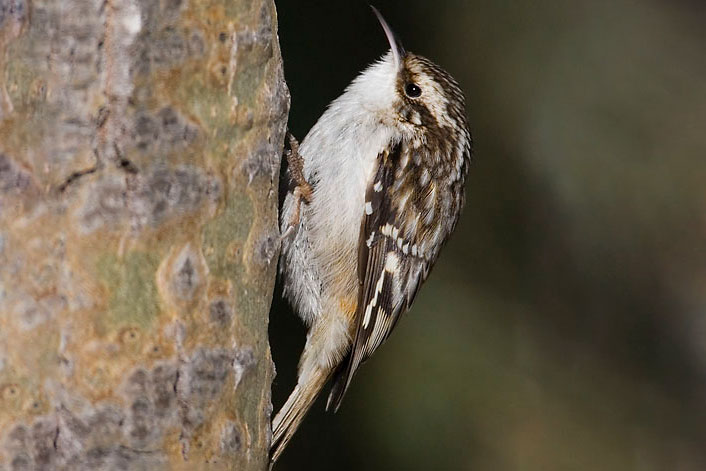
Brown Creeper
  • Brown Creeper (Certhia americana): A bird whose name perfectly describes its behavior of creeping up tree trunks in search of insects. These small, camouflaged birds spiral up tree trunks in search of insects, blending perfectly with the bark. Their high-pitched calls are often the first clue to their presence. Their round little bodies and feathers on their back helps them blend into the trunks a bit better, letting them stealthily hunt on the safety of tree trunks.
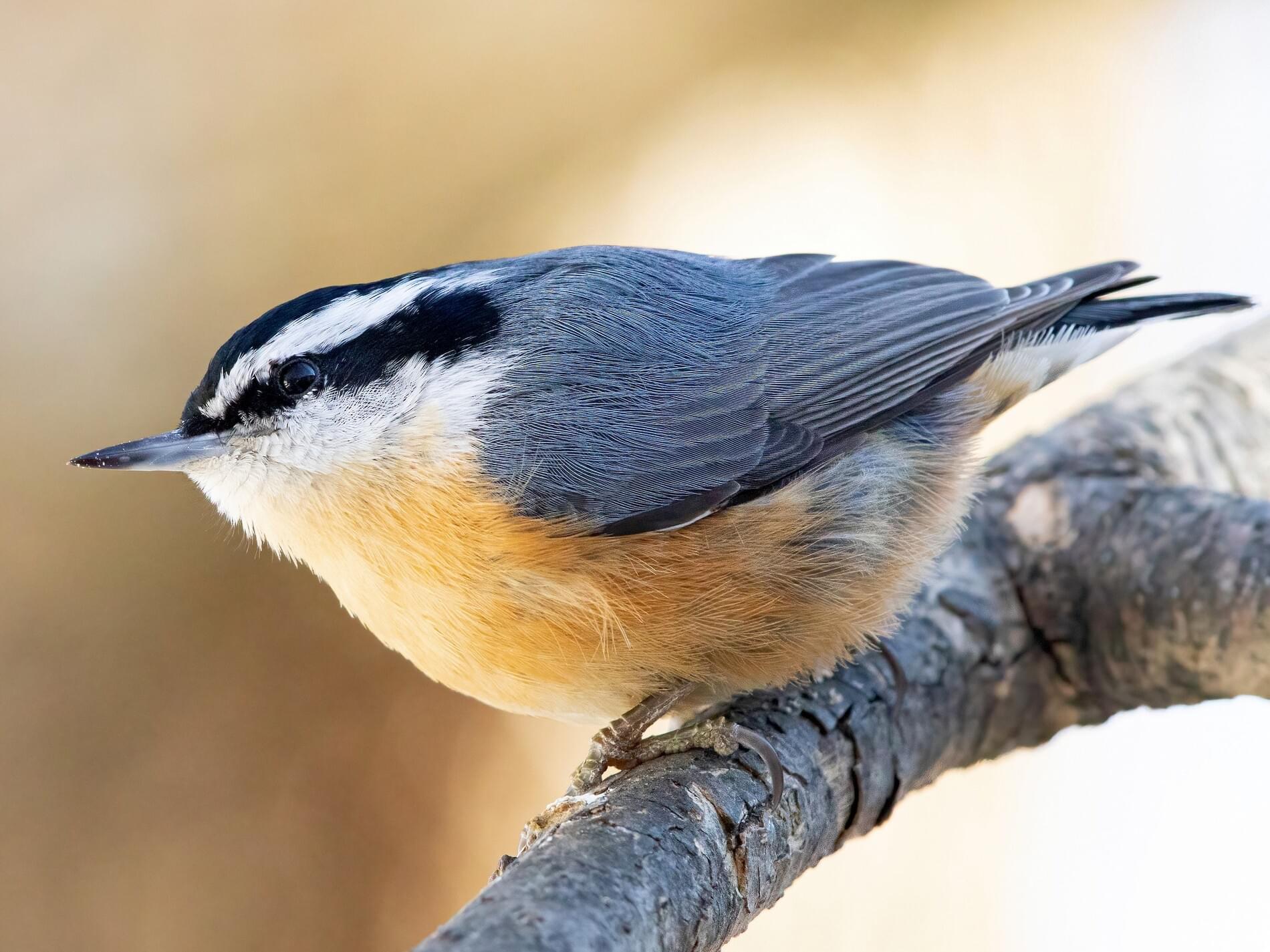
Sam Zhang/Macaulay Library
  • Nuthatch (Sitta): These upside-down tree climbers (possibly named for their habit of “hatching” nuts open) are delightful acrobats. Known for their unique ability to climb down trees headfirst, nuthatches have a knack for extracting insects from bark crevices. Their name likely derives from their habit of wedging nuts into tree bark to “hatch” them open.

The Colorful Showstoppers

The brightest, or most colorfully interesting birds at in this category. Fabulous in attitude and sleek plumage, these birds make sure that your eyes are kept on them.

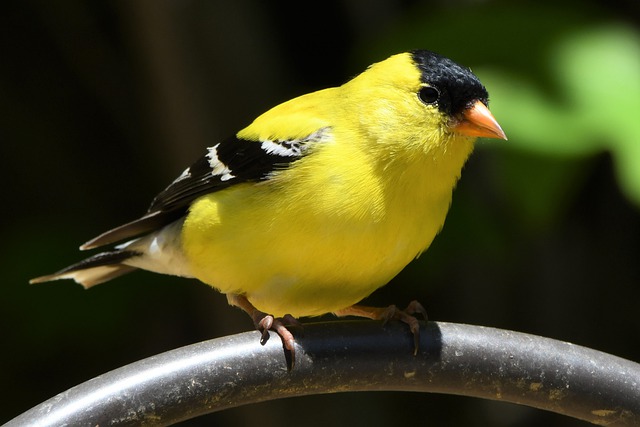
Adult Male Goldfinch
  • American Goldfinch (Spinus tristis): The state bird of Washington, this bright yellow charmer is a symbol of joy, vitality and of summer. They’re often seen in open fields and weedy areas, feeding on seeds from thistles and sunflowers. Its song as well is a lively, twittering melody often described as “per-chick-o-ree” or “potato-chip” due to its rhythmic, bouncy cadence. In winter, Goldfinches adopt a more subdued olive-brown coloration, making them less conspicuous but still charming.
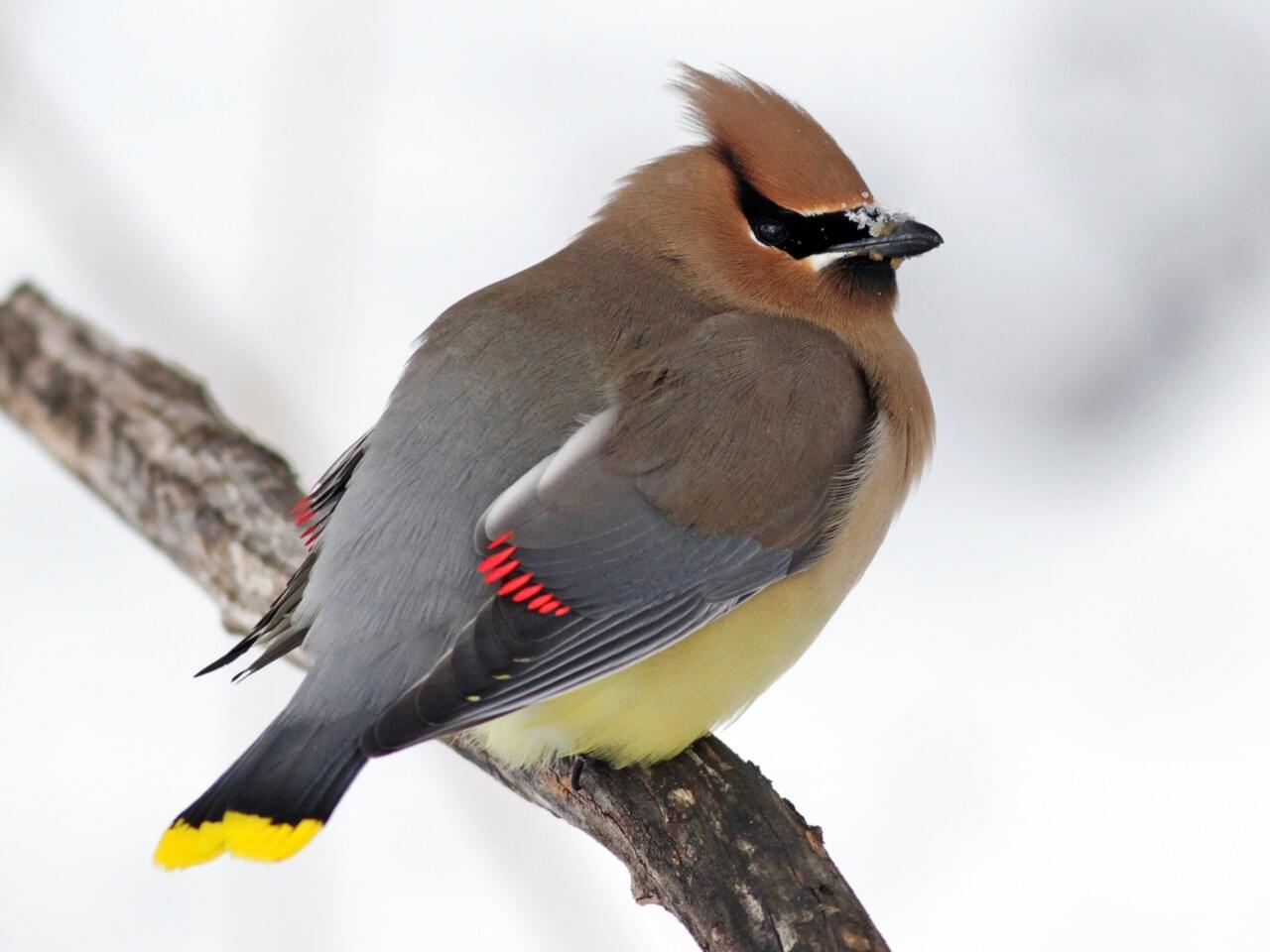
Ian Davies / Macaulay Library February 19, 2011
  • Cedar Waxwing (Bombycilla cedrorum): These sleek, silky birds with a bandit-like mask and waxy red wing tips are elegance in motion. Sleek and social, these birds are known for their silky plumage, yellow-tipped tails, and bright red wax-like wing markings. Don’t they have the most fabulous nails? They’re often found feasting on berries, making them an integral part of seed dispersal in the ecosystem.
Northern Flicker. Photo by Ken Hall
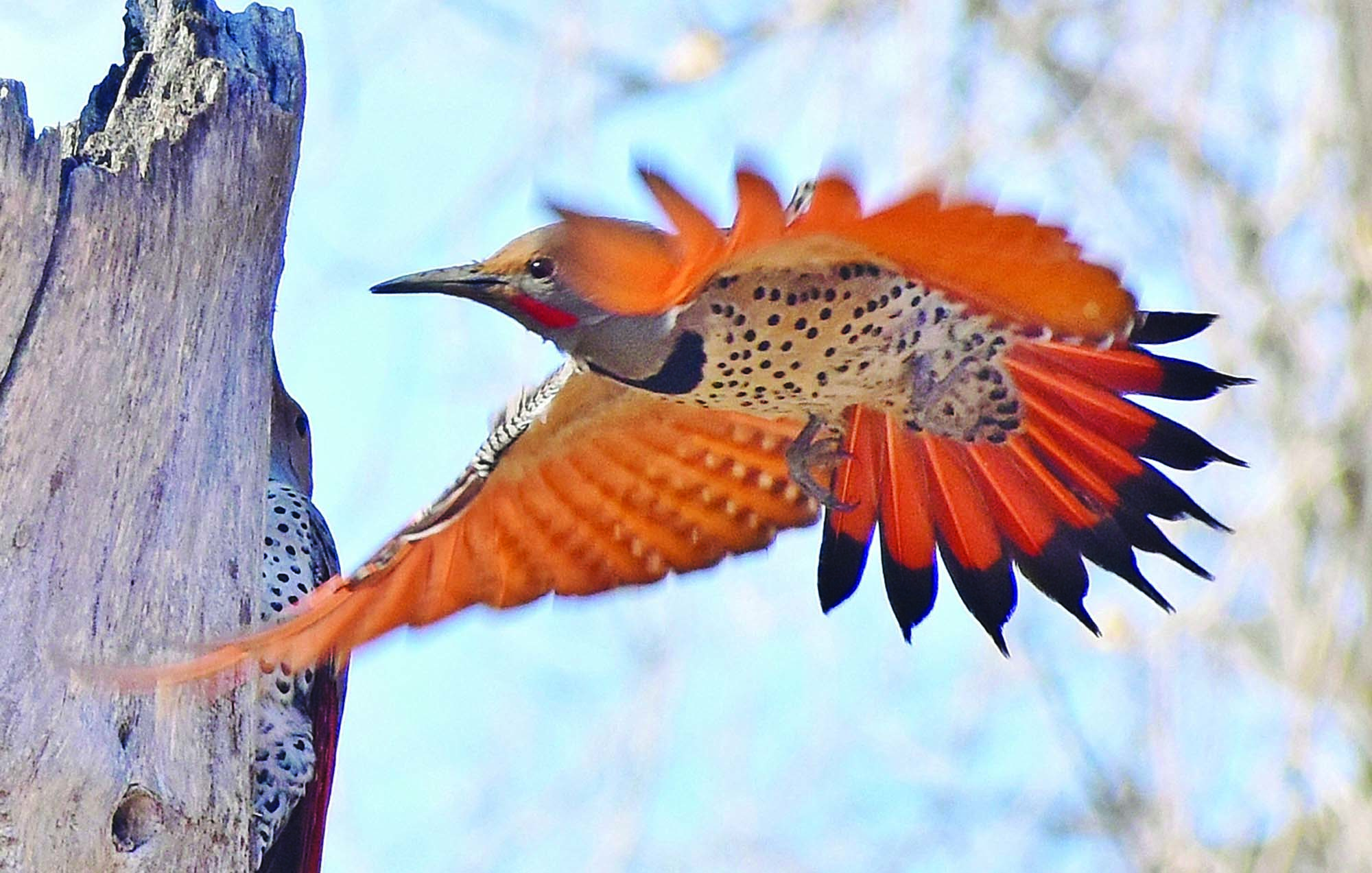
  • Northern Flicker (Colaptes auratus): This woodpecker with a flashy underside and a name that hints at its rapid movements is a favorite among birders. Its drumming on trees is nature’s percussion. A striking woodpecker with brown plumage, black spots, and a flashy red or yellow underside depending on the subspecies. Known for its distinctive call and rhythmic drumming, the northern flicker often forages on the ground for ants and beetles.
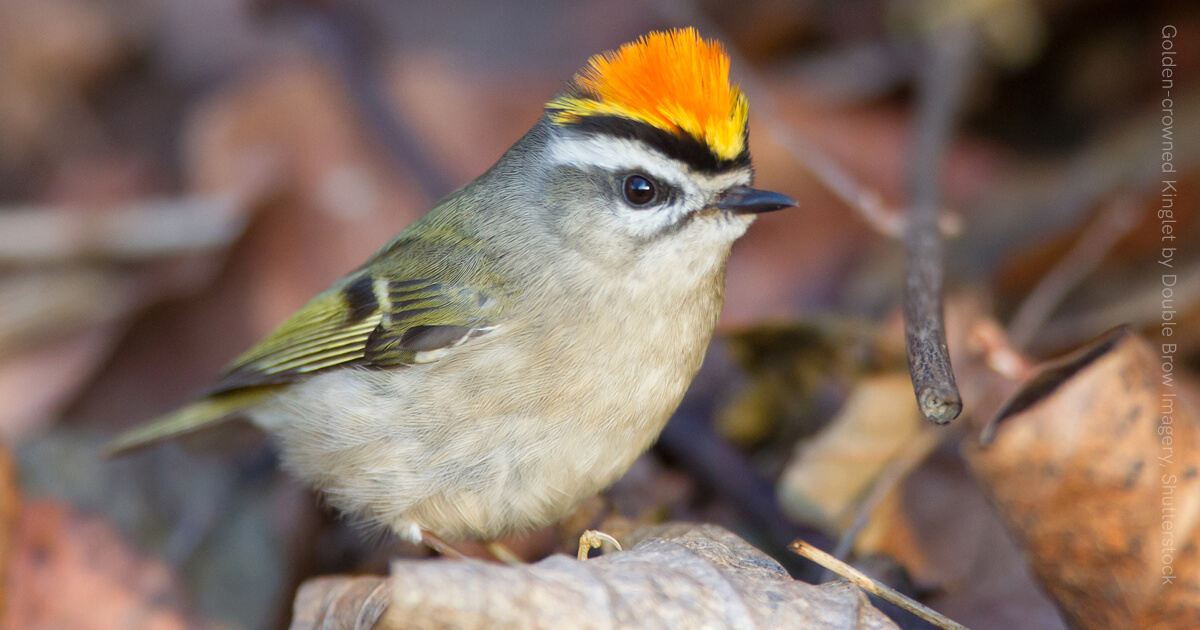
Golden Crowned Kinglet
  • Golden-crowned Kinglet (Regulus satrapa): These tiny birds wear a golden crown fit for royalty. They’re small but mighty, surviving harsh winters with ease. These tiny birds are bundles of energy, often seen flitting through coniferous forests. The males display a brilliant orange crown when excited, adding a touch of drama to their diminutive size.
European Starling
  • European Starling (Sturnus vulgaris): Glittering like vampire’s under the sun. Their glossy black plumage shimmers with iridescent greens and purples in the sunlight, and during winter, they sport white speckles that add to their sparkling charm. These birds are known for their incredible vocal mimicry, able to imitate the calls of other birds, mechanical noises, and even human speech! Social and highly adaptable, starlings often gather in massive flocks called “murmurations,” swirling in the sky in mesmerizing patterns as they evade predators.

The Iconic and Edible (Well, Maybe Not)

Both these birds are amazing but also resemble a food that already exists. Which is why this category was created. Now there aren’t many but I had to make a separate category just for these two.

Western Tanager by Mary Kieseau
  • Western Tanager (Piranga ludoviciana): Dubbed the “Mango Bird” (by me) for its tropical colors, this bird is like a splash of sunshine in the evergreen landscape. With its vibrant red, yellow, and black plumage, this bird looks like it belongs in the tropics. Males display their brightest colors during the breeding season, adding a burst of color to the forest.
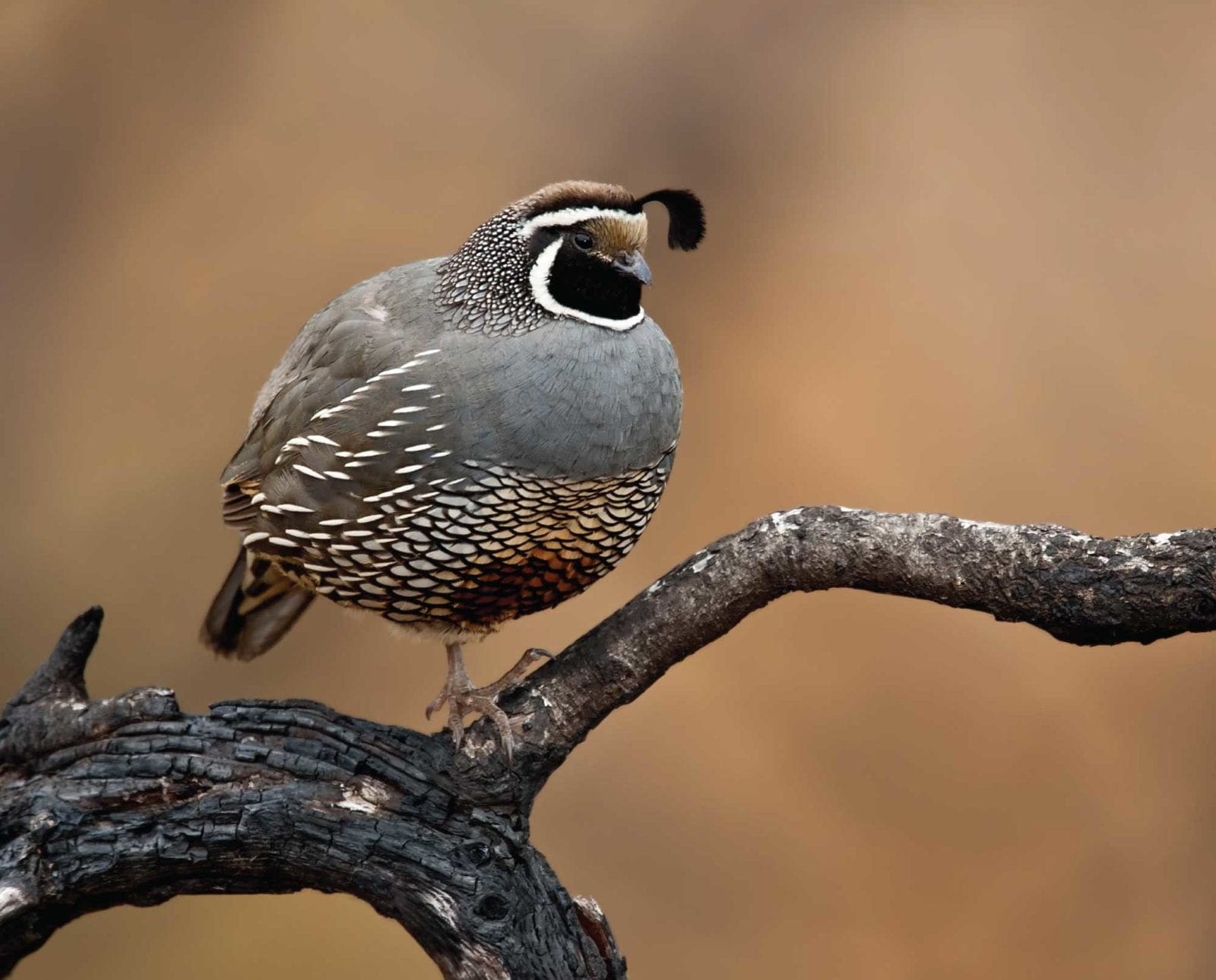
Male California Quail
  • California Quail (Callipepla californica): Recognizable by their comma-shaped head plumes, these plump birds are as iconic as they are endearing. They look like little potatoes. While historically considered game birds, their quirky presence is what truly wins hearts. These plump, ground-dwelling birds are known for their distinctive forward-curving plume and sociable nature. They’re often found in groups, scratching the ground for seeds and insects. While they were historically hunted, their round charm makes them a beloved sight today.

These birds, with their fascinating names and captivating behaviors, remind us of the diversity and wonder of the natural world. Whether you’re a seasoned birder or a casual observer, the Pacific Northwest’s avian community is sure to leave you enchanted.

If you are also an appreciator of birds, there’s a lot of fun sightings down by the Wetlands on Campus, which is right across from the Campus Library! Especially Crows, a lot of crows.

Let me know in the comments as well what bird(s) you love and what sort of fun category you would put them in!


References

  1. Cornell Lab of Ornithology. (n.d.). All About Birds.

  2. Birds of the World. (n.d.). Birds of the World Database.

  3. UW Libraries. Bird Research.
  4. UW Libraries. Birding & Birdwatching.

  5. Campus Library. Crows on Campus.
  6. E Bird. UW Bothell Species Sighting.

Go Checkout the Reserve Textbooks at the Campus Library

On the first floor of the UW Bothell and Cascadia College Campus Library there are both Open Reserve along with Closed Reserve textbooks. The Open Reserve books are located right across the lobby from the Campus Library Information Desk and the Closed Reserve books are located right behind the Information Desk. If you want to check out a Closed Reserve book you can ask a staff member at the  desk. Both UW Bothell and Cascadia College students can check these books out. To search for a reserve book you can just visit the Campus Library homepage then click the Course Reserves tab right next to the UW Libraries Search tab. If you ever want to learn more information about the Course Reserves you can always look at the Campus Library Course Reserves website. There are colored labels around the spines of these books that indicate which type of reserve books they are. The Open Reserves have a yellow spine and the Closed Reserves textbooks have a red spine. An important thing to remember about these reserve textbooks is that they can only be checked out for a shorter loan period and have steeper fines. Unlike other books at the Campus Library with longer loan periods. The loan period for Closed Reserve books varies from 2, 4, to 24 hours, and Open Reserve books generally can be on loan for 72 hours. When checking out the Reserve books a library staff member will ask you for your campus ID as usual, then on the book insert will write down the due date of the book including the time of day. If you don’t return the book by the due date you will get a fee of $2.50 per hour. Additional information on fines can be found here. You can always scan the Reserve textbooks with the book scanner located on the first floor if you just want to keep a few pages or a chapter of the book. The Reserve textbooks are updated every quarter. You can also access reserve eBooks which can be found in the library catalog. If you ever need help checking out a Reserve book you can always ask a staff member at the Information Desk.


A Library Goodbye

As I am about to stop working at the UWB/CC Campus Library, I thought it would be a good time to reflect on my experience working here and share it with everyone. It has been a joy to work at this library for four years. I have liked this job so much that when I was younger I even told Nick one time that I would volunteer here if I could.

I started out as a Circulation Assistant when I was sixteen, and soon promoted to the Circulation Specialist position a year later. Aside from Tami (Access Services Manager), Nick (Circulation Supervisor), and Emily F. (former Circulation Technician Lead now Circulation Supervisor), I worked with an entirely different circulation staff than the current team. It has been wonderful to work with each and every staff member over the years. They have supported me through the ups and downs of the college experience.  In fact, working with such wonderful people is one of my favorite aspects of working at this library and why I have continued to work here.

Being a writer, avid reader, and English major, this job was absolutely perfect for me. I got to be surrounded by books all the time, bond with people over books, and help promote literacy. This job also aligned with my passion for social justice and diversity as a lot of this library is involved with social justice and diversity. There is the library’s Community Reads program and the Social Justice Team. This job was also great to work in while being a student. It was overall very chill which was the perfect peanut butter and jelly pairing to the high-stress academic environment.

I learned so much about books while being in this job and how books can transform lives. Many of the things I have learned have enriched my writing. As a writer, it was very inspiring and motivating to be surrounded by books. This motivation is one that was quiet yet seeped into my pores in a manner that was like no other writing motivational tactic. Being surrounded by books places the importance of books into your consciousness and motivates you to get your work out there.

This job also fostered my passion of writing by providing me with the Jane E. Decker Award (which provides funding for professional development). I received this award in 2018 and was able to go to Hugo House’s Write-O-Rama where you take one hour long workshops all afternoon taught by their teaching writers. I was also allowed to go to a class about submission strategies. Both of these events were very enriching.

It will be sad to leave this chapter of my life behind, as this job has played such a pivotal role in my life. I am excited to be entering into a new chapter of my life. I don’t yet know what this chapter will be yet, and am embracing the possibilities of this next chapter with open arms.

In honor of the library, I have created a video poem (video below) called “Ode to the UW Libraries” which was shot at Suzzallo Library. Text is also below if you would rather read it. Enjoy.

https://youtu.be/ZFBR2PWHBmw

Ode to the UW Libraries 

Awaiting behind your doors is an emporium open to all

To explore one’s biggest questions and fathoms of imagination

You are ever inviting with an embrace like an old friend

Always listening

And offering your shoulder to cry on or a hand to hold

No matter the weather

No matter the season

You have introduced people to many of their greatest friends, heroes, beautiful love stories, and awesome journeys

With you,

I marvel as I am surrounded in symphonies of quotes

And wander in wonder through your stacks

Oh, where the time goes when we are together

You are a key to the UW community

Generously giving students the power of knowledge

Through offering a variety of databases, books, and resources

– Emily O.